Shoes for Marathon Running: 5 Crucial Rules
Choosing the right shoes for marathon running is one of the most important decisions any runner preparing for the Borneo Half Marathon or Borneo Marathon 2027 will make. Training and racing across Kota Kinabalu, Kuching, Kuala Lumpur, Penang, Johor Bahru, Kundasang, Sabah and Sarawak means dealing with heat, humidity and long hours on the road, and the wrong pair of shoes for marathon running can turn a good training block into a painful one. Whether you are attempting your first half marathon distance or chasing a personal best over the full 42.195 kilometres, the shoes for marathon running you select will influence your comfort, your pace and your recovery. This guide lays out 5 crucial rules that Malaysian runners can use to choose the right footwear for BHM 2027, covering midsole science, foot shape, sole technology and breathability. Getting these details right early in training reduces the chance of blisters, black toenails and nagging joint pain by the time race day arrives.
Rule 1: Anatomy of High Volume Midsoles and Cushioning Durability
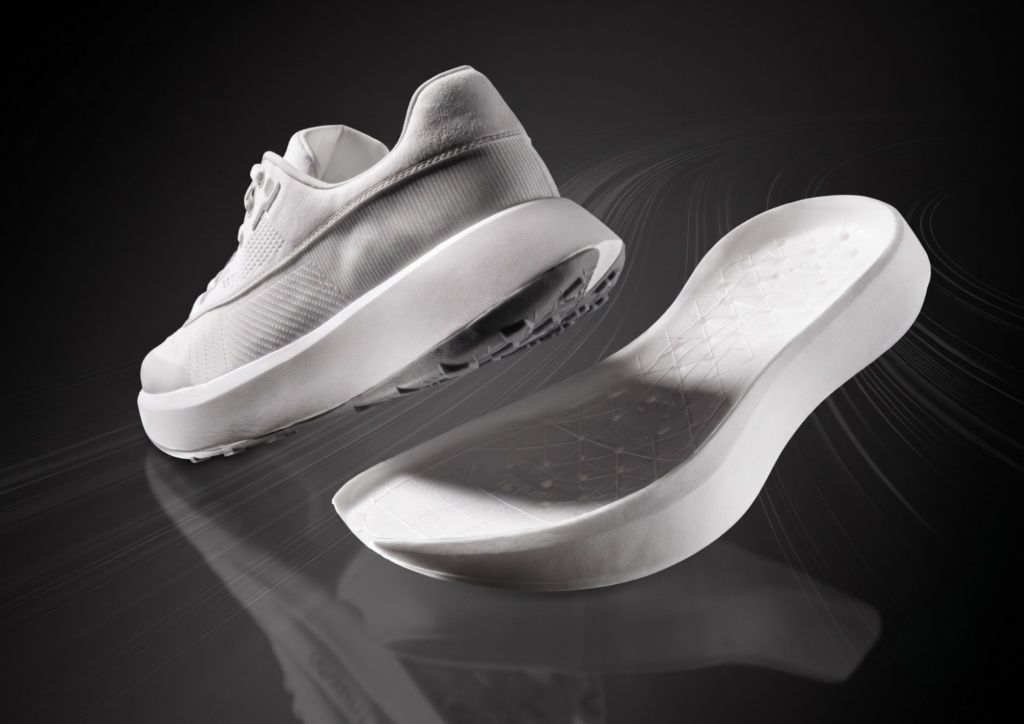
The midsole is the thick layer of foam between the outsole and your foot, and it is arguably the most important part of any running shoe. Over the past few years, brands have shifted toward high-volume midsoles, meaning more foam stacked underneath and around your foot. This extra material absorbs impact more effectively, which matters a great deal over 21 kilometres of pounding on tarmac in Kota Kinabalu’s heat.
Not all foams are equal, though. Some compounds, like PEBA based foams, are extremely light and responsive but tend to compress and lose their bounce faster than denser EVA foams. This is where cushioning durability comes in. A shoe that feels incredible out of the box may go flat after 300 to 400 kilometres, while a slightly firmer shoe might hold its shape for 600 kilometres or more. If you are training seriously for race day, it helps to rotate between two pairs of shoes rather than relying on just one, since foam needs time to decompress and recover its cushioning between runs.
As a general rule, replace your shoes once you notice the midsole feels noticeably flatter than when new, or once you cross the 500 to 700 kilometre mark, whichever comes first. Tracking your mileage on a running app makes this much easier than guessing based on how the shoes look on the outside, since wear often happens on the inside before it becomes visible.
Stack height and geometry also play a role in how a high-volume midsole performs. A taller stack generally means more cushioning, but it can also feel less stable, particularly on uneven pavement or during the later stages of a race when your form starts to break down from fatigue. Many newer shoes counter this with a wider base at the bottom of the midsole, which spreads the extra foam outward for better stability without sacrificing the plush feel. When trying on shoes, take a few steps side to side, not just in a straight line, to get a sense of how stable the platform feels underneath you.
Rule 2: Best Shoes for Marathon Running for Wide Feet
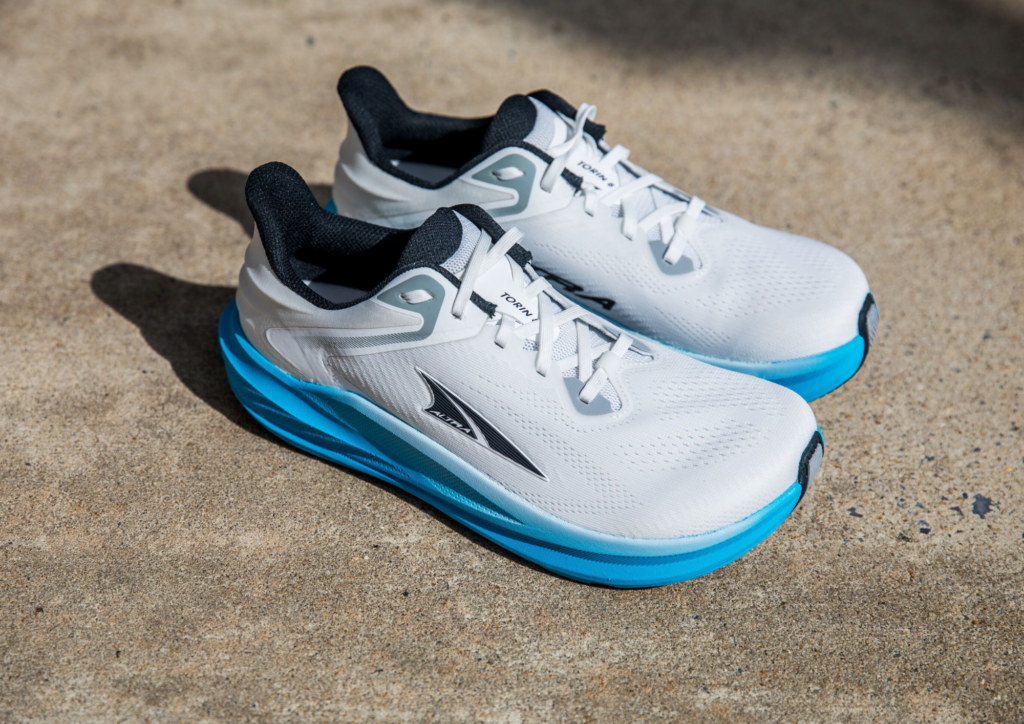
Runners with wider feet often struggle to find shoes for marathon running that do not pinch the forefoot or cause blisters over long distances, and this is where toe box shape and last width become critical. Between 20 and 30 percent of shoppers at running specialty stores purchase a wide width shoe, which shows just how common this need is among the running population (Fleet Feet). For wide footed marathon runners, models built with wider lasts and roomier toe boxes, such as those from Altra, New Balance, Hoka and Topo, are consistently highlighted for their accommodating fit and generous interior volume (Marathon Sports).
When selecting shoes for marathon running with wide feet in mind, look for a few practical features. A wide or extra wide sizing option, usually labelled D or 2E for men and D for women, gives the forefoot room to splay naturally without compressing the toes over 42 kilometres (Fleet Feet). A soft, engineered mesh upper that flexes with the widest part of the foot reduces hot spots, while a stable, cushioned platform underneath prevents the extra volume from feeling unstable during long runs (PR Run and Walk). Runners who fall between standard and wide sizing may also benefit from adjusting their lacing pattern before committing to a full wide size purchase.
Fit is only half the equation for wide footed runners chasing a personal best over 42 kilometres. A shoe that is too generous through the midfoot can allow the heel to slip, causing friction and blisters long before the finish line, so a locked in heel counter matched with a roomy forefoot is the ideal combination for shoes for marathon running on Malaysian roads. It also helps to shop for shoes later in the day, when feet have naturally swollen slightly from standing and walking, since this mirrors how the foot behaves after several hours on the course during BHM 2027.
Rule 3: Best Shoes for Marathon Running, Carbon vs Trainers
Runners with wider feet often struggle to find shoes for marathon running that do not pinch the forefoot or cause blisters over long distances, and this is where toe box shape and last width become critical. Between 20 and 30 percent of shoppers at running specialty stores purchase a wide width shoe, which shows just how common this need is among the running population (Fleet Feet). For wide footed marathon runners, models built with wider lasts and roomier toe boxes, such as those from Altra, New Balance, Hoka and Topo, are consistently highlighted for their accommodating fit and generous interior volume (Marathon Sports).
When selecting shoes for marathon running with wide feet in mind, look for a few practical features. A wide or extra wide sizing option, usually labelled D or 2E for men and D for women, gives the forefoot room to splay naturally without compressing the toes over 42 kilometres (Fleet Feet). A soft, engineered mesh upper that flexes with the widest part of the foot reduces hot spots, while a stable, cushioned platform underneath prevents the extra volume from feeling unstable during long runs (PR Run and Walk). Runners who fall between standard and wide sizing may also benefit from adjusting their lacing pattern before committing to a full wide size purchase.
Fit is only half the equation for wide footed runners chasing a personal best over 42 kilometres. A shoe that is too generous through the midfoot can allow the heel to slip, causing friction and blisters long before the finish line, so a locked in heel counter matched with a roomy forefoot is the ideal combination for shoes for marathon running on Malaysian roads. It also helps to shop for shoes later in the day, when feet have naturally swollen slightly from standing and walking, since this mirrors how the foot behaves after several hours on the course during BHM 2027.
Rule 4: Selecting Breathable Mesh Uppers for Dense Sabah Humidity
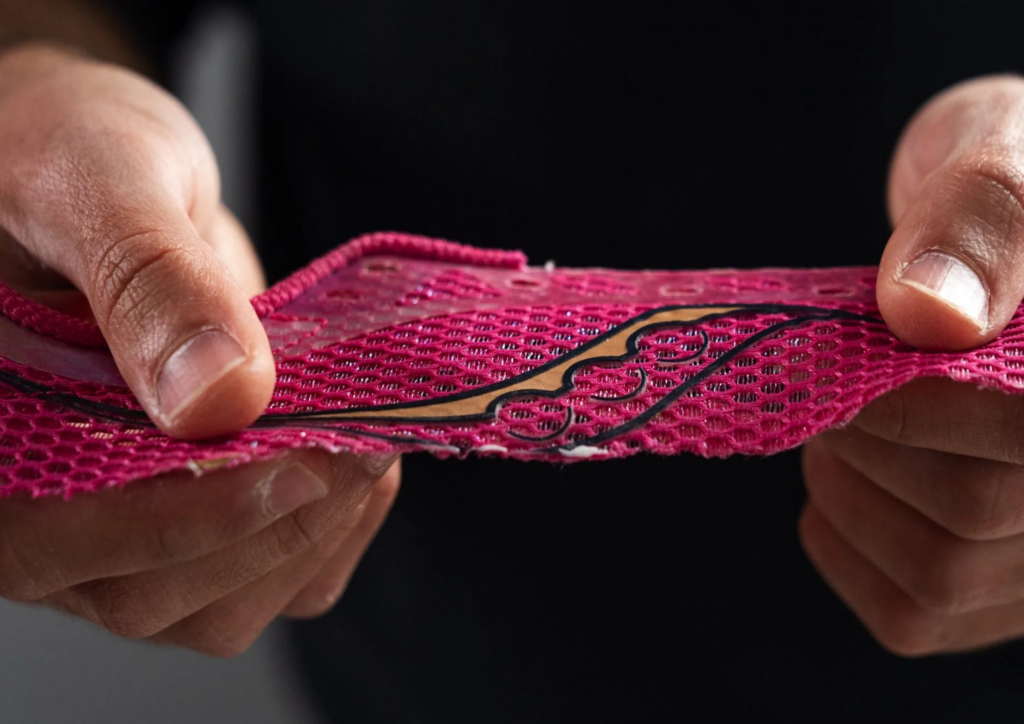
Sabah and Sarawak’s tropical humidity make breathable mesh footwear one of the most important features to check when buying shoes for marathon running in Malaysia. In hot, humid conditions, sweat does not evaporate as easily, which means moisture builds up inside the shoe and increases the risk of blisters, hot spots and discomfort over long distances (FitGear). Runners preparing for races in Kota Kinabalu, Kuching or Kundasang should prioritise engineered mesh uppers that score highly for airflow, since these materials wick moisture away from the foot far more effectively than tighter knit uppers designed for cooler climates (RunRepeat).
When comparing breathable mesh footwear, look for uppers with visible open pore structures and lightweight construction, as tightly woven or heavily layered mesh tends to trap heat and slow down drying time (Solereview). Reviewers note that in humid environments, even a small rise in foot temperature can noticeably increase blister risk, so choosing cushioned running shoes Sabah conditions demand means favouring ventilation without sacrificing underfoot support (ARKKY). Pairing breathable mesh footwear with moisture wicking socks further improves comfort, and rotating between two pairs of shoes allows each pair to dry out fully between humid training sessions, reducing odour and bacterial buildup (Shoe Brands).
Monsoon season adds another layer of complexity for runners training in Sabah and Sarawak, since a shoe that breathes well in the sun can feel soaked and heavy the moment rain sets in. The safest bet for year round cushioned running shoes Sabah weather demands is a mesh upper with quick draining properties rather than a fully waterproof membrane, since waterproof linings trap humidity inside the shoe once sweat builds up, which defeats the purpose on a hot, wet morning run. Keeping a spare pair of dry socks in the running bag and swapping them mid long run is a small habit that pays off over a full marathon distance.
Ready to Gear Up for BHM 2027?
Selecting the right shoes for marathon running does not have to be complicated once you understand midsole durability, foot shape, sole technology and breathability. These marathon gear selection tips apply whether you are training on Johor Bahru’s flatter routes or tackling Kundasang’s hillier terrain ahead of BHM 2027. Want to know more about training plans, race day preparation and gear recommendations for the Borneo Half Marathon and Borneo Marathon? Visit our website to explore full event details and registration information.